Sales hotline
Sales hotline
Home >> Products >> Organic intermediate
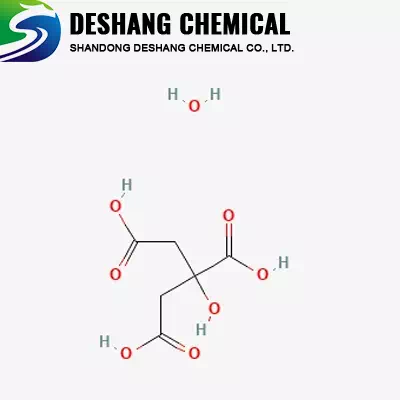
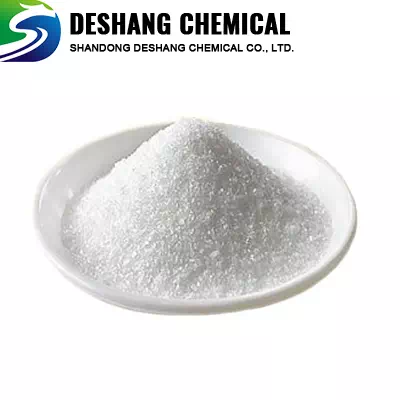
Citric Acid Monohydrate is a naturally derived, stable, and weak organic acid widely found in citrus fruits such as lemons and oranges. Industrially, it is produced through modern microbial fermentation.Its crystal structure contains one molecule of crystallization water, giving it distinct characteristics in granule shape, flowability, and dissolution rate compared to anhydrous citric acid. As a result, it is used differently across food, pharmaceutical, personal care, and metal-cleaning industries.
Recognized as one of the most widely consumed organic acids worldwide, Citric Acid Monohydrate is valued for its safety, biodegradability, and multifunctional properties, making it an essential ingredient in countless formulations.
1) Strong Chelating Ability
Citric acid effectively binds with Ca²⁺, Mg²⁺, Fe³⁺ and other metal ions, enabling it to:
Prevent discoloration in beverages caused by metal ions
Enhance scale removal in detergents
Reduce metal-catalyzed oxidation in cosmetics
2) Gentle Flavor Modulation
Compared with malic acid or lactic acid, citric acid provides a cleaner, less sharp sourness, making it ideal for:
Carbonated drinks
Fruit juices
Candies and gummies
Sports drinks
3) Excellent Buffering Performance
When combined with sodium or potassium salts, it forms a citric acid–citrate buffer system widely used in pharmaceutical preparations and biological fermentation.
4) High Thermal Stability
Suitable for high-temperature processes such as baking, canning, sugar confectionery, and heat-treated beverages.
1) Food & Beverage
Beyond standard acidification uses, it is applied in:
Plant-based beverages to reduce sedimentation and improve mouthfeel
Carbonated drinks for CO₂ stability
Dairy flavor systems to balance sweetness
Children’s gummy candies for natural acid-sweet harmony
2) Pharmaceutical & Nutraceutical
Serves not only as a pH adjuster but also as:
Stabilizer for active ingredients in supplements
Solubilizing agent for certain antibiotics
Absorption enhancer in Ca/Mg formulations
Reaction controller in effervescent tablets and oral powders
3) Cosmetics & Personal Care
Key benefits include:
Stabilizing antioxidants such as Vitamin C and E
Preventing metal-induced discoloration
Mild exfoliating effect as a gentle AHA
Enhancing metal-ion control in shampoos to reduce dryness
4) Industrial & Environmental
This is where citric acid monohydrate shows clear differentiation:
Core ingredient for eco-friendly descaling agents
Metal complexing agent in electroplating
Stabilizer during pulp bleaching
Acid catalyst in biodiesel production
Chelating agent in wastewater treatment
Fertilizer additive to improve nutrient solubility
25kg Kraft paper bag / woven bag
500kg–1000kg Jumbo bag
Moisture-proof packaging available
OEM private label supported
Q1: Why does citric acid monohydrate sometimes form lumps?
Because it is hygroscopic. Moisture absorption causes crystals to bind together. Its chemical properties remain unchanged and it can still be used after gentle crushing.
Q2: Can it replace anhydrous citric acid?
Partially yes. However, anhydrous citric acid is preferred for moisture-sensitive or high-hardness granule formulations.
Q3: Is it suitable for “green cleaning” products?
Yes. It effectively removes CaCO₃ scale and rust and is biodegradable, making it a sustainable alternative to inorganic acids.
Q4: Is Citric Acid allowed in cosmetics?
Yes, commonly used for pH adjustment, exfoliating formulas, and antioxidant stabilization—subject to local regulations.
Q5: Can you provide formulation guidance?
Yes. We can offer formulation suggestions for food, detergents, and personal care products.
Sales hotline:
 Scan and consult wechat customer service